FIRE RISK ASSESSMENT IN A RESIDENTIAL COMMUNAL HALL WAY WHERE TWO OR MORE APARTMENTS SHARE THE SAME ENTRANCE . OUR FIRE RISK ASSESSORS WHO ARE FULLY TRAINED ENGINEERS WILL ASSESS THE SAFETY OF THE HALLWAY AND RECOMMEND ANY IMPROVEMENTS THAT NEED TO BE MADE , THE REPORT IS ISSUED IN COMPLIANCE WITH THE FIRE ORDER ACT 2005 IN THE UNITED KINGDOM . . AVAILABLE IN ALL MAINLAND POSTCODES IN THE UNITED KINGDOM . CALL 0800 776 5018 https://fireinspectors.net
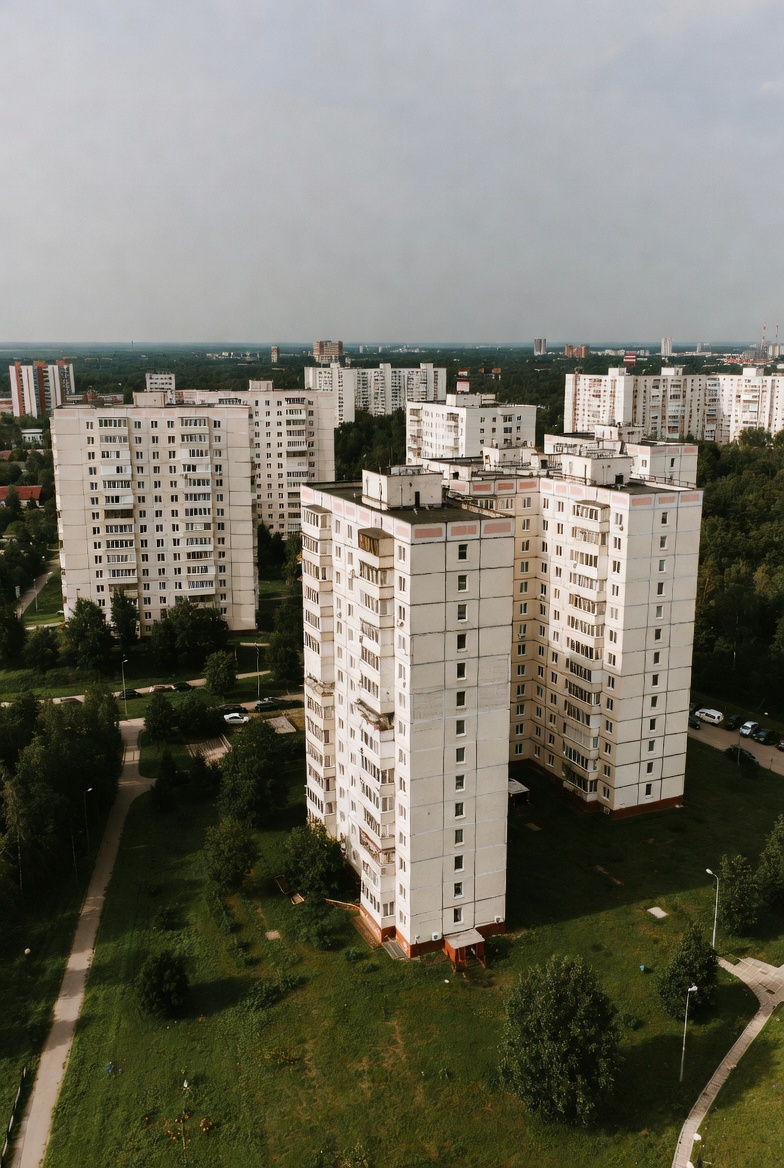
A Fire Risk Assessment required in a Communal Hall Area of a Building in the United Kingdom
Yes. A fire risk assessment is legally required for a communal hall area in a building in the United Kingdom.
“Communal hall area” typically means one of two things, both of which are covered:
The Regulatory Reform (Fire Safety) Order 2005 requires the “responsible person” to carry out a suitable and sufficient fire risk assessment of non-domestic premises and of the common parts of buildings containing two or more homes. This includes community halls and communal hallways.
The Fire Safety Act 2021 clarified that, in buildings with two or more dwellings, the assessment must also cover:
Additional duties apply under the Fire Safety (England) Regulations 2022 in buildings with common parts that residents use to evacuate (e.g. regular fire-door checks).
- A community, village or assembly hall (place of assembly used for events, meetings, hire, worship, etc.).
- A communal hallway, lobby, corridor or landing in a multi-occupied residential building (block of flats or HMO).
The Regulatory Reform (Fire Safety) Order 2005 requires the “responsible person” to carry out a suitable and sufficient fire risk assessment of non-domestic premises and of the common parts of buildings containing two or more homes. This includes community halls and communal hallways.
- The building structure
- External walls (including cladding, balconies, windows and attachments)
- Doors between flats and common parts (flat entrance doors)
Scotland
The Fire (Scotland) Act 2005 and Fire Safety (Scotland) Regulations 2006 require a fire safety risk assessment for relevant (non-domestic) premises, including community halls and places of assembly. For common parts of purely domestic high-rise blocks it is strongly recommended as good practice rather than a strict Part 3 duty in every case; it is required for HMOs and non-residential uses.Northern Ireland
The Fire and Rescue Services (Northern Ireland) Order 2006 and Fire Safety Regulations (Northern Ireland) 2010 require a fire risk assessment for relevant premises, including places of assembly and common parts of HMOs/multi-occupied buildings. Who is the responsible person ? The person (or organisation) who has control of the premises. This is commonly:
What the assessment must coverA suitable and sufficient assessment looks at:
The Fire (Scotland) Act 2005 and Fire Safety (Scotland) Regulations 2006 require a fire safety risk assessment for relevant (non-domestic) premises, including community halls and places of assembly. For common parts of purely domestic high-rise blocks it is strongly recommended as good practice rather than a strict Part 3 duty in every case; it is required for HMOs and non-residential uses.Northern Ireland
The Fire and Rescue Services (Northern Ireland) Order 2006 and Fire Safety Regulations (Northern Ireland) 2010 require a fire risk assessment for relevant premises, including places of assembly and common parts of HMOs/multi-occupied buildings. Who is the responsible person ? The person (or organisation) who has control of the premises. This is commonly:
- The owner, freeholder or landlord
- A residents’ management company or Right to Manage company
- A managing agent (if they have control)
- The management committee, trustees or charity running a community hall
- An employer (if it is a workplace)
- A hirer or event organiser for the period they control the hall (the owner still retains overall responsibility)
- Sources of ignition, fuel and oxygen
- People at risk (residents, visitors, hirers, children, elderly or disabled people, contractors)
- Means of escape (travel distances, exit widths, protected routes, keeping communal halls/corridors clear of storage and combustibles)
- Detection and warning
- Emergency lighting and signage
- Fire doors and compartmentation
- Firefighting equipment
- Management arrangements, emergency plan, information and training
- For residential buildings: structure, external walls and flat entrance doors
- For halls used for events: occupancy numbers, hirers’ activities, kitchens, decorations and temporary layouts
- Review the assessment regularly and whenever there is a significant change (alterations, change of use, new occupancy, incident, or new information about risk).
- Record the findings and the fire safety arrangements.
- Implement and maintain the precautions identified.
- Use a competent person. For anything beyond a very simple low-risk hall, a specialist fire risk assessor is strongly recommended. Look for third-party certification (e.g. schemes recognised by UKAS or professional registers).
- Fire safety risk assessment: small and medium places of assembly (covers village/community halls up to 300 people)
- Fire safety in purpose-built blocks of flats
- A guide to making your small block of flats safe from fire
CALL 0800 776 5018 to obtain a price for a Fire Risk Assessment or to book an appointment . E Mail : sales@fireinspector.co.uk
CLICK ON THE MAP TO FIND YOUR LOCAL FIRE RISK ASSESSOR IN THE UNITED KINGDOM
Leave a Comment
I hope you enjoyed this post. If you would like to, please leave a comment below.